
By: Kaila Weingarten MS ED
Why is music so vital to children? Children are programmed to move. As infants, rocking and hugging children soothes them, and teaches them about the rhythm. Music appeals to children, and helps them develop in myriad areas. By encouraging your child to sing, dance, move and create music, you will help him develop in a wide variety of areas. Read on to see how you can enable this learning to take place in your home. While writing this article, I sang “Five little Monkeys” with my daughters. It was amazing to see how they both lit up and responded to the fingerplay. Music transcends age gaps and helps everyone feel safe and loved. 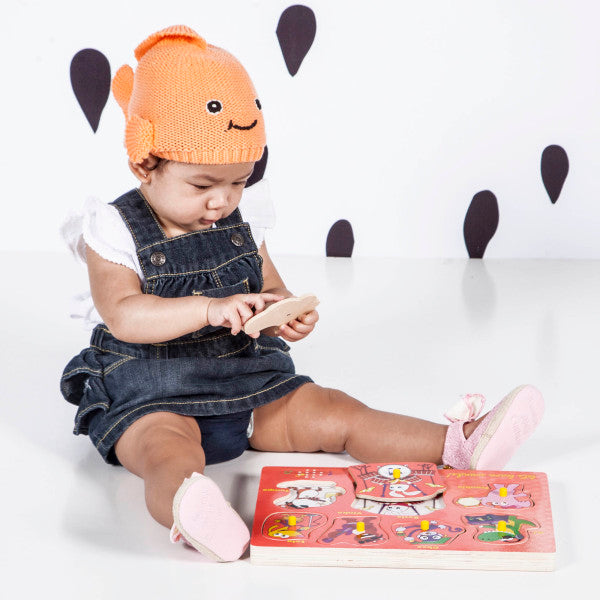 Music is a developmental milestone in itself. Young children learn to listen to music, create music and move to music. Look at the myriads of musical baby toys and swings available. Young infants learn about rhythm from birth. They are comforted by the sounds and movements, similar to what they experienced in utero. Babies who hear a song repeated often will recognize and relax to that song. Watch a young baby turn his head to the music or an older infant may coo, rock, sway or even clap hands. My eighteen month old sways and bounces in response to songs. Let your child create her own music by playing with bells, or experimenting with rattles. Vary the music they listen to, so they are exposed to both slow and fast sounds. As children grow older, they become more music savvy. Introduce toddlers to a variety of songs from a multicultural perspective. Even two year-olds may try to sing simple songs. Repeating songs creates familiarity. A wide variety of sound and musical toys will encourage them to experiment with sound. From drums and bells to pots and spoons, these tools encourage children to learn about the world of music. Three to five year-olds can use their bodies to express themselves. They can also imitate the movements of others, such as animals, people, or nature. In addition, they can sing with greater ability. What other milestones are children reaching through music? Social emotional: Your child’s smile as s/he sings and claps shows how much self-confidence s/he’s gaining from music. Singing, dancing and making music together encourages positive interactions. For older toddlers, use songs such as “If you’re happy and you know it” to teach emotion words. Familiar music can help children feel cozy and safe; while an eclectic collection of culturally diverse songs can teach and inspire.
  Try this:
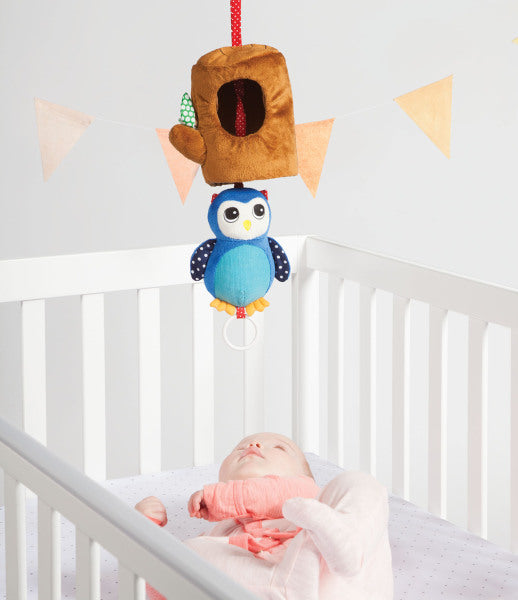
- Use songs to calm children down at bedtime or any hectic time throughout the day. Help children anticipate what’s coming next.
- Encourage children to play together using songs such as ring around the rosy.
- Practice self-control by playing a Freeze game. Tell your child to freeze when the music stops, and stay still when music starts.
- Use your singing voice as a way to express love. Your child doesn’t care if you are a great singer. He cares that you are singing to him!
 Try this:
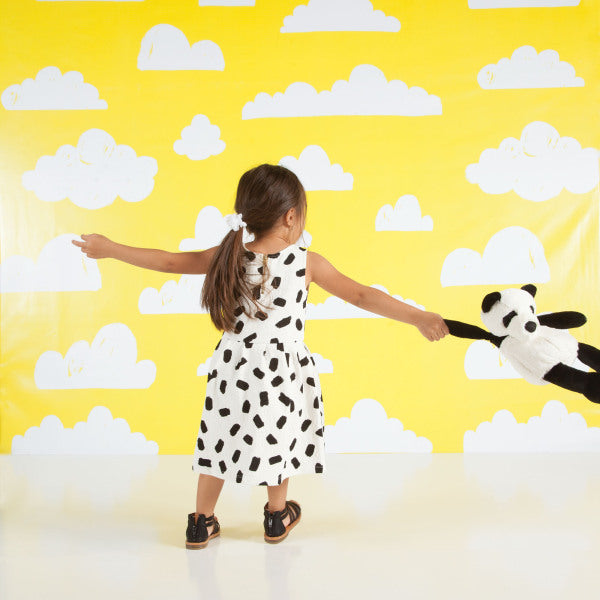
- Put on slow and fast songs and move to the beat with your child.
- Sing these songs and makeup movement to go along with it. You can also make up your own simple movements to go with any song!
- The farmer in the dell
- Pop goes the weasel!
- Choo choo train
- Bluebird, through my window (group activity)
- London bridges
- Ring around the Rosy
- Use these simple fingerplays to encourage fine motor development.
- The wheels on the bus
- Where is Thumbkin
- Open, Shut them
- Pause in the middle of a song and let your child fill in the words.
- Create little rhymes to sing with your child.
- Sing the ABC song with toddlers to start exposing them to letters.
- Sing these fingerplays:
- Five little monkeys/ducks/frogs
- Handful of Fingers
- Count and clap to the beat.


Sensory Learning Tips YOU need to know
“It’s not just Child’s Play”