
By: Dr. Joy A. Lauerer; DNP, APRN, PMHCNS-BC
Most of us cherish fond memories of a toy, stuffed animal, or doll that brought immense comfort during our childhood. Today, dolls hold even greater significance as children’s play becomes less structured and less social—perhaps a lingering consequence of COVID-19’s impact in ways we may not fully realize. In my clinical work with children, I’ve observed fewer playdates, increased solitary play, and a decline in opportunities for practicing emotional and social skills. Parents’ lives have grown more complex and busier, leaving less time for fostering play interactions.

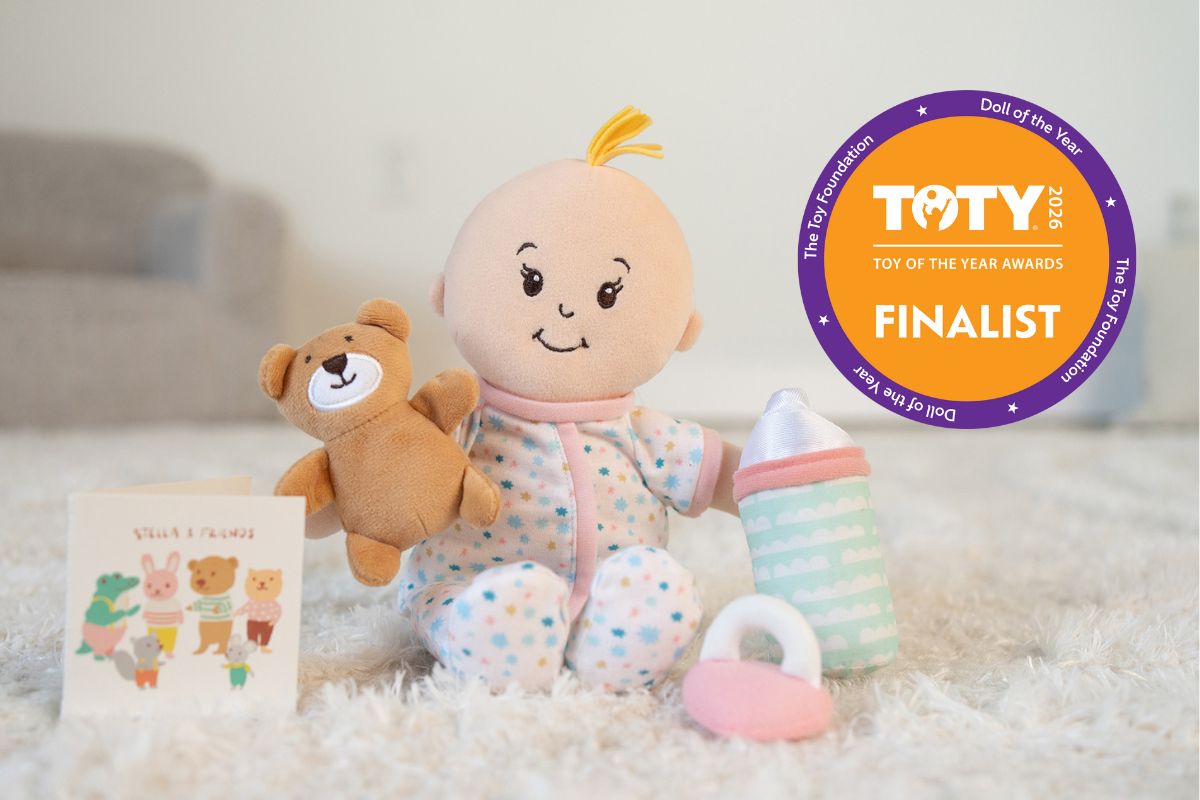
Featured toy: Love, Stella My First Peach Doll
So, why is doll play so important for a child’s development, and how can we introduce them to their first doll?
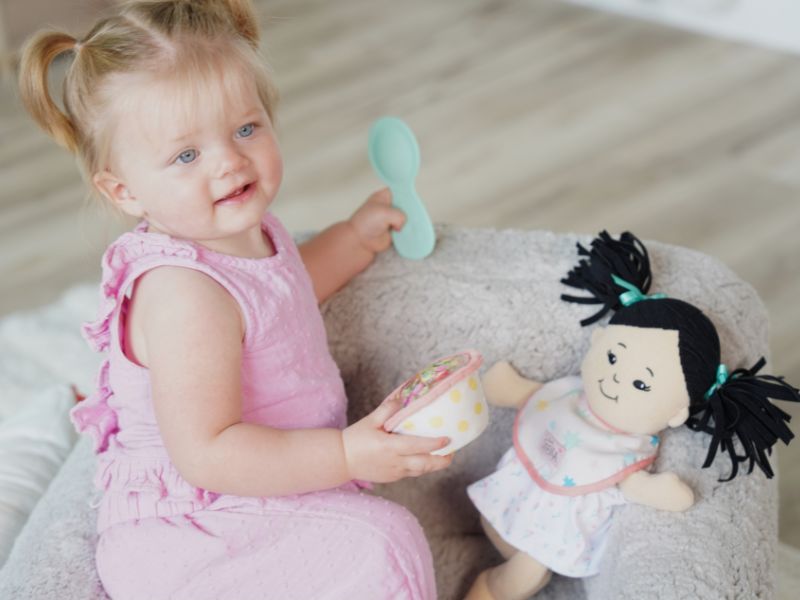
Dolls provide children with a multitude of developmental benefits. As early as 11–18 months, a child can hold, smile at, or touch a doll, experiencing comfort and developing an initial sense of connection with something outside of themselves. You may notice a young child babbling or attempting to communicate with their doll—this is a wonderful example of low-risk social skill practice. Dolls offer a safe, nonjudgmental object to engage with, empowering a child to play out scenarios such as feeding, changing, or simply talking to their doll.
For families expecting a new sibling, dolls can serve as a valuable tool for preparation. Children can practice simple caregiving tasks, such as placing a pacifier on their doll, easing their adjustment to the idea of having a younger sibling. Doll play also offers an outlet for processing emotions, helping children work through feelings that may arise when a new family member arrives.

Featured toys: Love, Stella Beige Doll with Brown Pigtails & Love, Stella Diaper Bag Set
The benefits of solo doll play extend beyond emotional growth, making a significant contribution to brain development. Research has shown that playing alone with dolls activates areas of the brain linked to emotional intelligence, including empathy and compassion—the same skills cultivated through interactions with peers. Studies comparing doll play and tablet play reveal that doll play leads to more positive changes in children's brains, particularly in regions associated with emotion and social skills. Furthermore, independent doll play has a profound impact on both cognitive and social development.

Featured toys: Love Stella Light Beige Doll with Black Pigtails & Love, Stella Feeding Set
Listen closely to the imaginative dialogue unfolding when a child plays with a doll. Do you hear them repeating words and phrases you’ve said earlier in the day? Phrases like, “I’m going to Grandma’s, but I’ll take you with me,” or “Are you hungry? I’ll make you lunch.” Perhaps they comfort their doll by saying, “I know you feel sad, but Dad will be home later.” This role-playing allows children to integrate complex feelings, navigate changes, and build resilience in their emotional world.
"The Love, Stella dolls are ideal for introducing young children to doll play. Their compact size, soft texture, and use of magnetized components simplify playtime, making it engaging and effortless.
Love, Stella My First Dolls are thoughtfully designed with safety in mind for young children. the dolls are easy to grip and hold, with no small or hazardous parts, ensuring safe play for little ones. Picture the joy of receiving one as a baby shower gift or as a thoughtful present from an older sibling to a younger child - it's a delightful way to create cherished memories." - Joy.

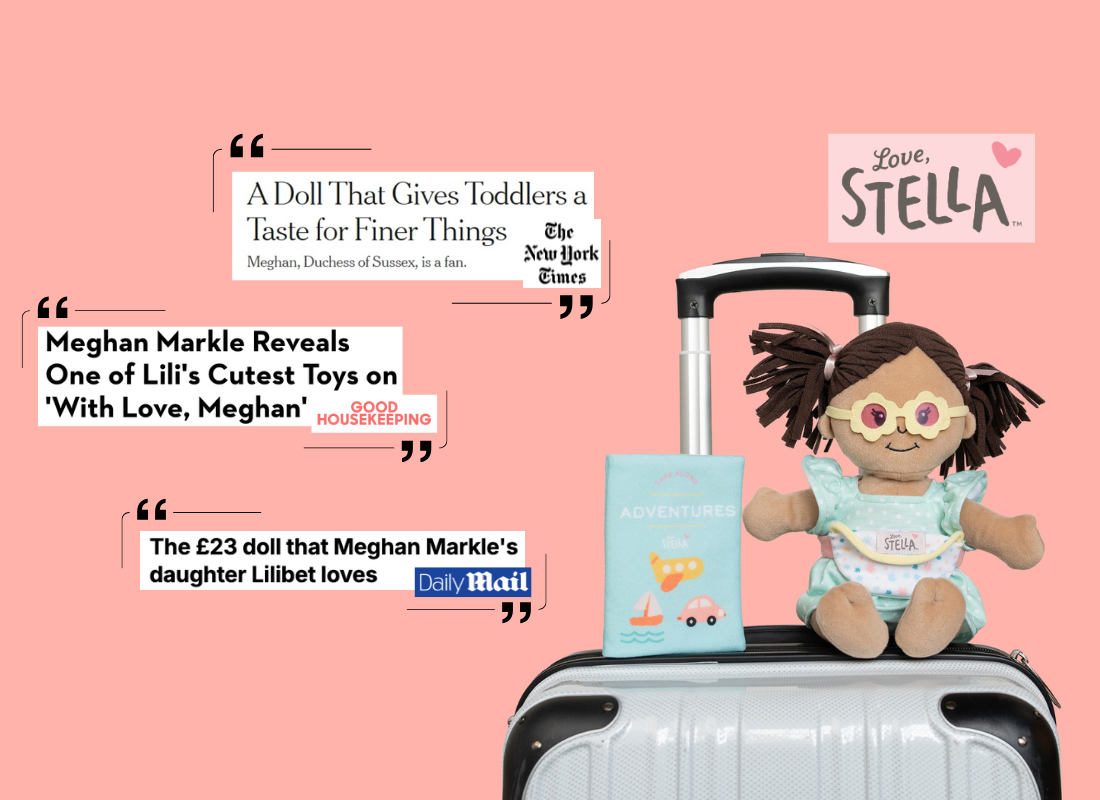

Spreading the “LOVE” of Stella Soft Dolls
5 Simple Steps to Strengthening Parent-Child Bonds
1 comment
Excellent and valuable insights! Thank you!